vector&verse
Toby and Pixel

Old Tricks And New Dogs

on grief, puppies, and incompatible training data

A day after my dog Toby passed, my apartment became a museum of his absence. The silence he left behind wasn’t empty, it was heavy, a physical thing pressing in from all sides.

My brain, hardwired by five years of habit, kept trying to fill it. I’d be working at my desk and hear a ghost: a faint sniffle from the corner where his bed used to be, the deep sigh of him settling into a nap. I’d be watching a movie and feel a phantom weight on my feet. The worst was the sound of his paws on the hardwood, that slow deliberate pitter-patter of an old dog moving from one comfortable spot to another. I was always listening for it, and the silence that answered kept catching me off guard.

A week later it was unbearable.

Eight pounds of paws and long legs

Pixel, a tiny puppy with comically long legs

A week is probably too soon to get another dog. It wasn’t a logical decision. I was being haunted, and I couldn’t keep living in a house full of ghosts. I had to smash the silence into pieces.

For those who don’t know yet, this is Pixel.

pixel

He’s an eight-pound jumble of paws and comically long legs, barely four months old. And he is a completely different kind of story.

I love him. I need to say that up front, because everything else I’m about to explain might make it sound like I don’t. My system just doesn’t know how to process it. Every time I reach for the feeling, the warmth and joy that should come naturally with this tiny perfect creature, my brain crashes trying to make sense of it.

I kept trying to figure out why everything with him feels wrong. Not bad, just incompatible, like my system is rejecting something that should be good. Then I worked out what it reminds me of.

What stays and what disappears

Training vs uploaded context visualization

Think about the last time you uploaded a document to ChatGPT. Suddenly it could answer questions about your file, quote it, summarize it, pull out details. Then you started a new conversation without uploading the file again, and all of that vanished.

An AI has two kinds of knowledge. There’s its training, which is permanent, foundational, part of who it is. And there’s uploaded information, which is temporary, accessible in the moment but not integrated. ChatGPT could run without the internet, so could Gemini and Claude. They wouldn’t have today’s news, but they’d still answer with shocking accuracy. Training is baked in, uploaded documents are borrowed.

The training happens first, before you ever talk to the AI. Billions of words over years. That’s how it becomes what it is. Uploaded documents are different. You can give the AI a fifty-page report and it’ll reference it perfectly, but it’s just consulting it. The information sits there, separate, never becoming part of the foundation. Close the chat and start a new one and the AI has no idea the document ever existed. Some newer tools let you carry context between conversations, tell them to remember things, but even that isn’t permanent. It’s still just documents being passed along. Close the wrong window and it’s gone, never integrated, never learned.

The Toby years were my training. Five years of learning what love meant to a quiet rescue with his own history of trauma. Love wasn’t tricks or commands, it was building a fortress of safety, earning trust in millimeters over years, proving the world could be a calm harbor. That training is permanent. It’s part of who I am.

Pixel moments are uploaded documents. Puppy learned to sit in five minutes. Puppy loves everyone instantly. Puppy has no trauma, no fear, no history that needs healing. I can access them, pull them up when I need them. None of it integrates with my training, none of it changes what I actually know about love. The documents sit there, separate, incompatible. Every time I try to process a new moment with Pixel it’s like starting a fresh conversation. The Toby training is there, but the Pixel documents exist in a different session entirely.

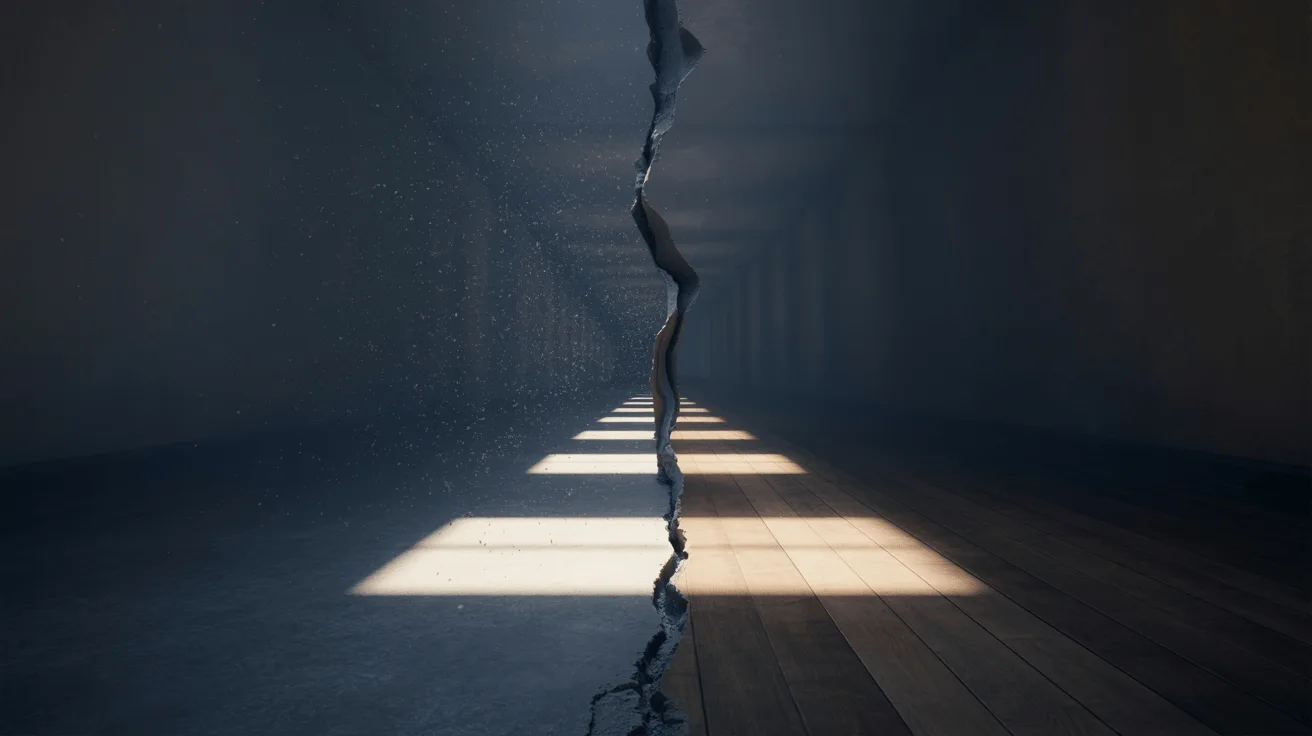
When light casts the wrong shadow

Pixel learning to sit

The other day I taught Pixel to sit. He’s a smart little guy, it took maybe five minutes. He plopped his butt on the floor and looked up at me with his big trusting eyes, and for a split second there was a flash of something. Pride? Joy? It vanished before I could name it, replaced by hollowness.

My brain did what it’s trained to do. It tried to retrieve a reference file to understand the moment. It pulled up my first real win with Toby. Months after I brought him home, he finally walked up to me on his own, nudged my hand, asked for pets. A win earned through silence and patience, proof that maybe I’d done something right.

My system tries to use that file to process a puppy learning to sit in five minutes, and it crashes. The contexts are too different. One file says love takes months to earn, the other says it can happen in an afternoon. It’s like asking an AI to reference a document uploaded in a completely different chat. The information exists somewhere, but there’s no way to access it, no way to make the connection. The comparison feels like a betrayal.

The love for Pixel is just as real, and it came easier, and my training can’t reconcile that. It keeps insisting love should look like the Toby version, and when it doesn’t the whole system freezes. I know, intellectually, that different dogs mean different kinds of love. My heart keeps throwing error messages anyway.

A broken deal and an easy life

Grief and anger at the broken promise

This failure happens constantly. It’s why people tell me I’ll miss these puppy days and I’m not sure I will. My training has no frame of reference for this kind of easy, immediate joy, and the Pixel moments can’t connect to any of my actual understanding of love. They’re just floating there, unintegrated, in their own session.

The anger comes from the same place. My training was built on a deal: follow the rules, get a small dog, get twelve, maybe fifteen years. That was the deal I signed. My system pulls up that promise every single day, then compares it to the brutal truth that lymphoma doesn’t give a flying fuck about deals. The conflict between what I was trained to expect and what happened generates a pure, simmering rage, directed at no one.

I’ve tried doing what you’d do with an AI. Manually pass the context forward. Force my brain to remember that Toby’s story and Pixel’s story are both real, both happening to the same person. It doesn’t work. The knowledge stays separate. The training doesn’t integrate the new documents. I can tell myself the words but I can’t make them mean anything.

And then there’s the guilt. My training retrieves the file on Toby’s history, the hardship he survived before he got to me, the five short years I had to make up for it, to convince him humans could be kind and gentle and loving. It lays that file next to this tiny innocent puppy who has only ever known safety, who came into the world loved and wanted. The result is a sharp, nauseating sense of betrayal.

So here’s where I am. Running on old training that doesn’t apply anymore, trying to reference uploaded documents that exist in a completely different conversation, and no amount of manually passing context forward seems to bridge the gap.

Training a heart that’s already broken

Building new patterns alongside old wounds

Pixel isn’t a tool to fix my grief, and he isn’t a document I’m consulting to fill in gaps. He’s a commitment. My job now is to build new training while the old training is still running, to make sure this little guy gets to write his own story instead of being a temporary file my system can’t integrate.

And I have to figure out how to let myself love him the way he deserves. Not the Toby way, the Pixel way, whatever that turns out to be. I don’t know how to do that yet. I just know I have to try.

Real training doesn’t happen in a single conversation, and it doesn’t happen because you uploaded the right document. It happens slowly, through repetition and time, through patterns reinforced until they shape everything else instead of just sitting there to be looked up.

That’s what I’m hoping for. That enough Pixel moments will pile up that they stop feeling like temporary documents. That my brain will stop pulling up Toby files to understand them. That this easier, lighter, puppy love will become its own permanent knowledge, not replacing the Toby training, just existing alongside it.

But I’m not there yet. Right now I’m in the gap between two kinds of knowledge, one deeply integrated and one that keeps feeling like it’ll vanish the moment I close the window.

You don’t get to wait for the old training to be cleanly archived before you start building something new. You start while the old knowledge is still there, while your system is still trying to reference files that don’t match, while the new information keeps feeling like it could disappear at any moment. You start building new training in the middle of the mess of the old, because there’s no other version of it on offer.

1,580 words